Solving the right problem in the right place
59% account adoption in just 14 days
In the first 14 days:
1,262
+14%
Overview
I led the design of a compliance-critical rent increase tracking workflow at Kolmeo after discovering property managers were relying on spreadsheets outside the platform.
The work moved a high-value operational workflow back into Kolmeo, reducing reliance on spreadsheets and creating a single source of truth for rent review management. I shaped the solution direction, steered the team away from a behaviourally weak MVP, and worked closely with key stakeholders to get it shipped.
The feature reached 59% account adoption within 14 days, validating the decision to prioritise workflow alignment over feature breadth.
My role: Product Designer
Collaborators: PM, Solution Architect, Tech Lead, BA, Customer Success, Engineers, QA
Scope: Discovery, product direction, interaction design, testing, stakeholder alignment, GTM support\
The problem
This wasn’t simply a missing feature. It was a product gap shaping customer behaviour.
Property managers were relying on spreadsheets to track rent increases because Kolmeo didn’t support the workflow clearly enough.
With new Queensland legislation increasing compliance pressure, missed rent reviews could create compliance risk, lost revenue opportunities and unreliable reporting.
More importantly, users were leaving the product to complete critical work elsewhere — reducing visibility and weakening Kolmeo’s role in a key operational workflow.
What changed the direction
Early discovery revealed something important:
Property managers didn’t think about rent increases as part of lease management. They saw them as part of day-to-day rent administration.
That distinction changed the direction of the product.
An earlier concept aligned more closely to legal structures, but conflicted with how users actually worked day-to-day. Another lean MVP was faster to deliver, but testing showed it improved the workflow without changing behaviour.
Users described it as:
“Helpful, but not a drastic improvement.”
At the same time, engineering constraints meant we couldn’t simply build the ideal end-state solution. We needed to identify the smallest experience capable of changing behaviour.
That became the critical product decision: optimising for adoption and workflow alignment over feature breadth.
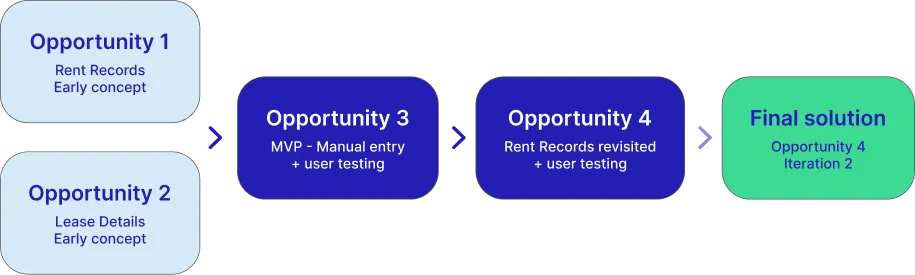
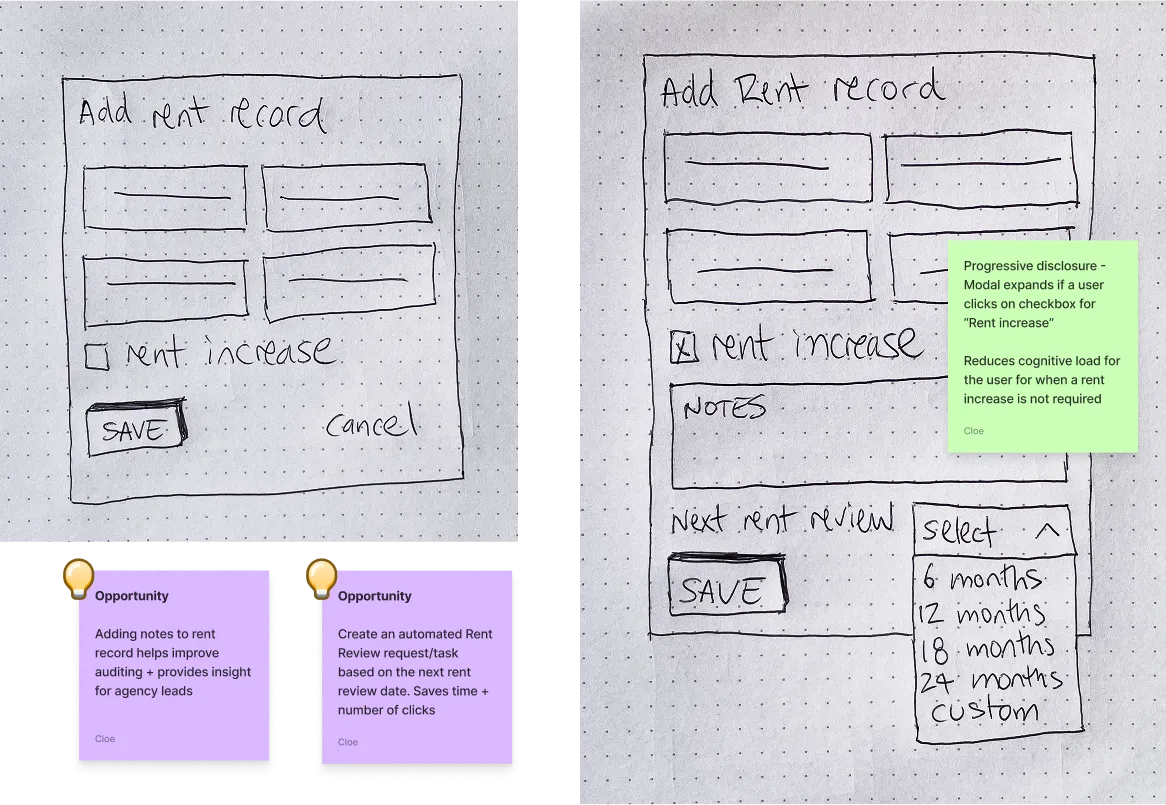
Opportunity 1 looked at real user behaviours within the system.
The strategic pivot
I advocated for revisiting an earlier direction: integrating rent increase tracking directly into Rent Records — where users already managed rent-related tasks.
The challenge was balancing:
- existing user mental models
- compliance requirements
- engineering feasibility
- release timelines
Rather than expanding scope, we tightened the solution around the highest-value behaviours.
The difference wasn’t more functionality. It was aligning the solution with how property managers already worked. The response in testing changed immediately:
“Yes, yes, yes — we’ve been waiting for this, it makes way more sense.”
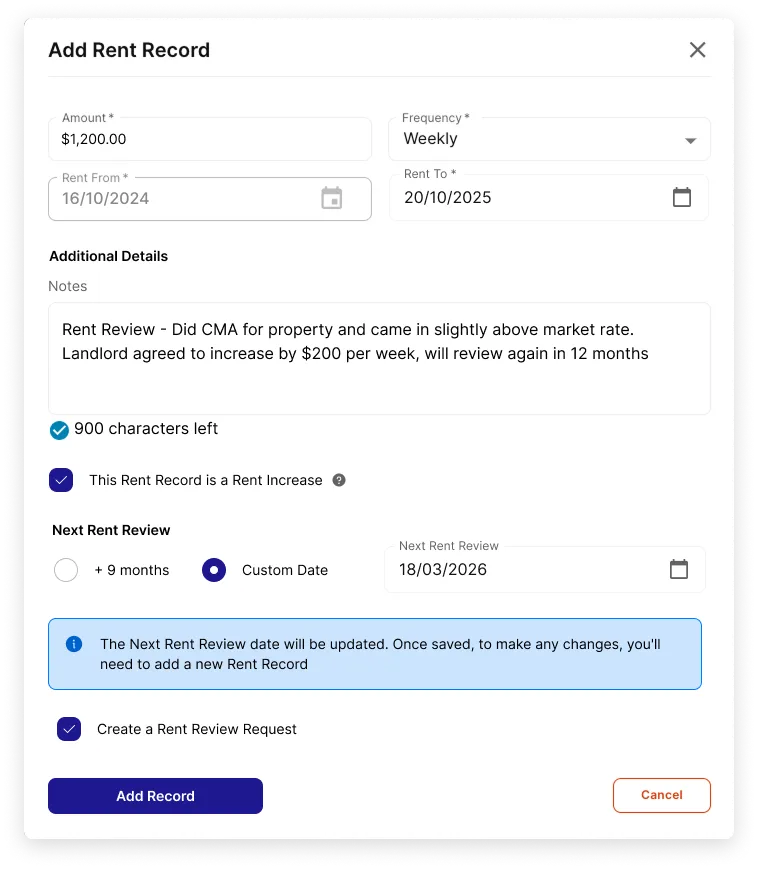

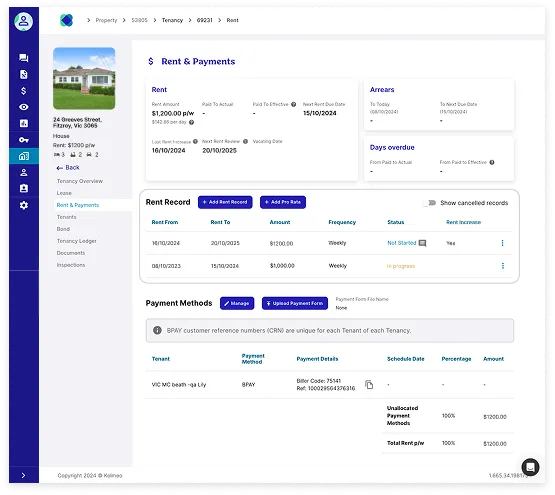
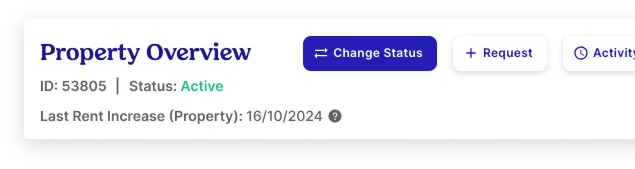
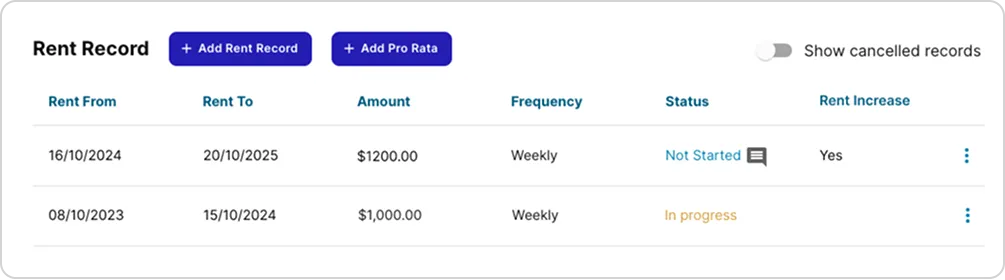
Opportunity 4 hit the mark—enhancing Rent Records into a single place for managing both rent increases and rent reviews dates.
The release challenge
Late in delivery, new stakeholder concerns surfaced just before release.
Rather than pushing forward defensively, I reframed the discussion around:
- valid risks
- assumptions
- unresolved gaps
We temporarily paused release to strengthen reporting and improve workflow clarity.
At final playback, the bigger challenge became avoiding endless internal debate. I helped reframe the conversation around:
- validated user behaviour
- measurable workflow improvement
- post-launch learning
- real-world learning over theoretical certainty
I steered the conversation:
“Let’s release it. Let’s track performance. Then iterate based on real usage.”
The Outcome
The final experience allowed property managers to:
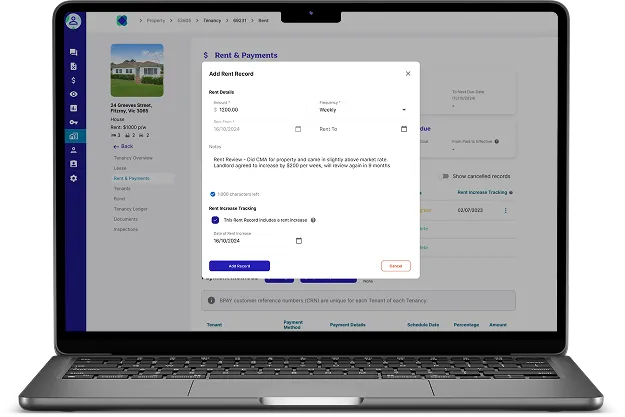
- Track rent increases directly within Rent Records
- Surface the last increase date for Queensland compliance
- Manage review dates independently
- Trigger rent review workflows more efficiently
- Reduce spreadsheet dependency and off-platform work
Most importantly, users moved a compliance-critical process back into Kolmeo — increasing reliance on the platform for day-to-day compliance management.
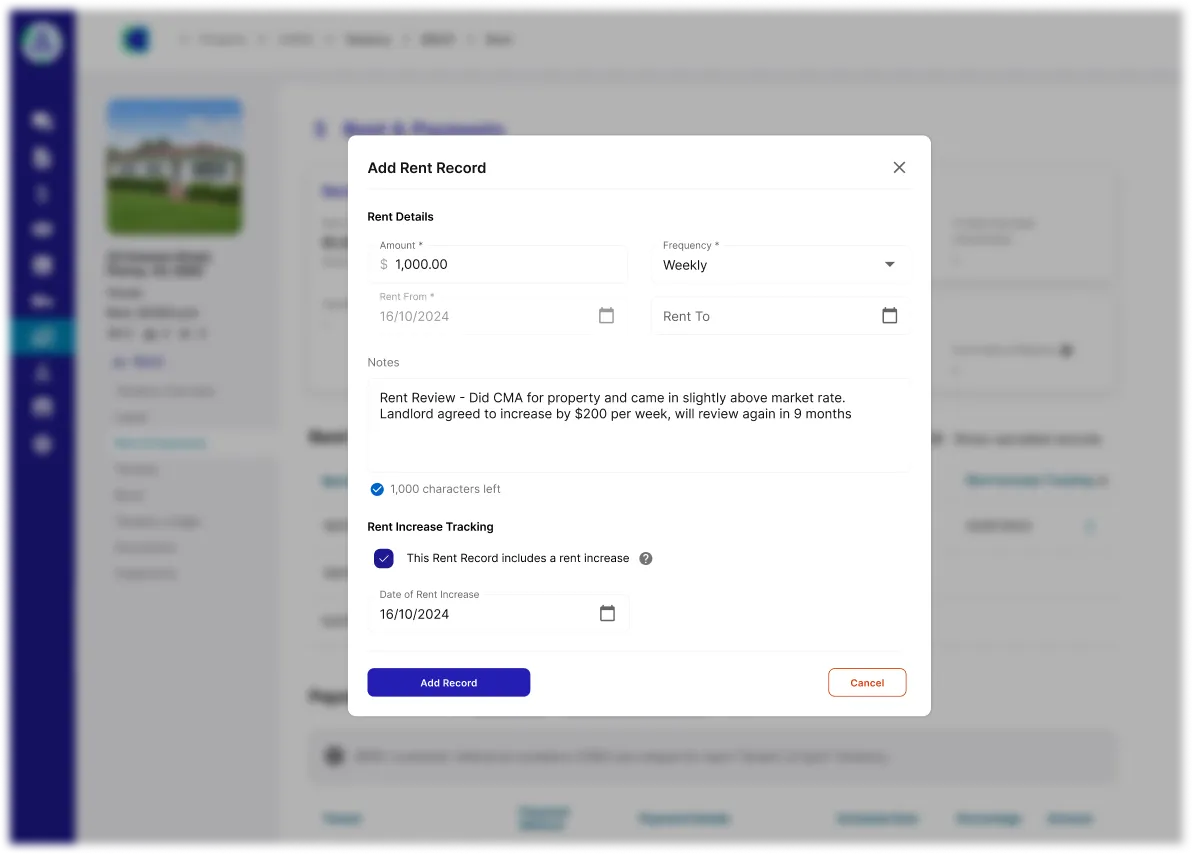
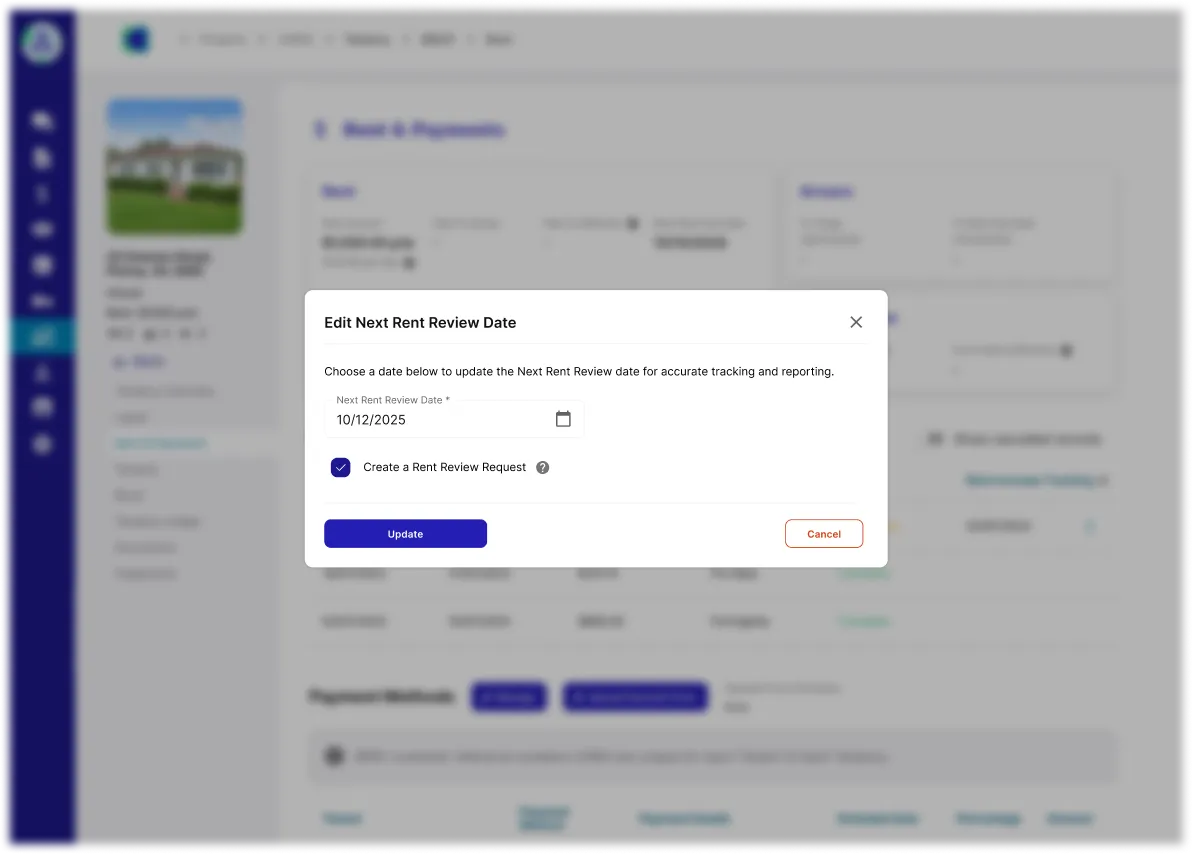
Simple by design. By aligning with existing rent administration behaviours, the solution felt familiar, useful and easy to adopt.
The final solution intentionally worked with existing operational behaviour instead of introducing a parallel workflow users needed to learn.
Ultimately, the success of the work came from solving the problem in the right place — embedding a compliance-critical workflow into the part of the product users already relied on daily.
By prioritising behavioural adoption over feature breadth, we delivered a solution that changed how users worked, not just what the product could do.